Emergencies
Signs You Have a Leak Behind a Wall
Spot the early warning signs of a hidden water leak behind a wall before it causes serious damage. Practical advice from Emergency Plumbers TW.
Published 29 June 2026
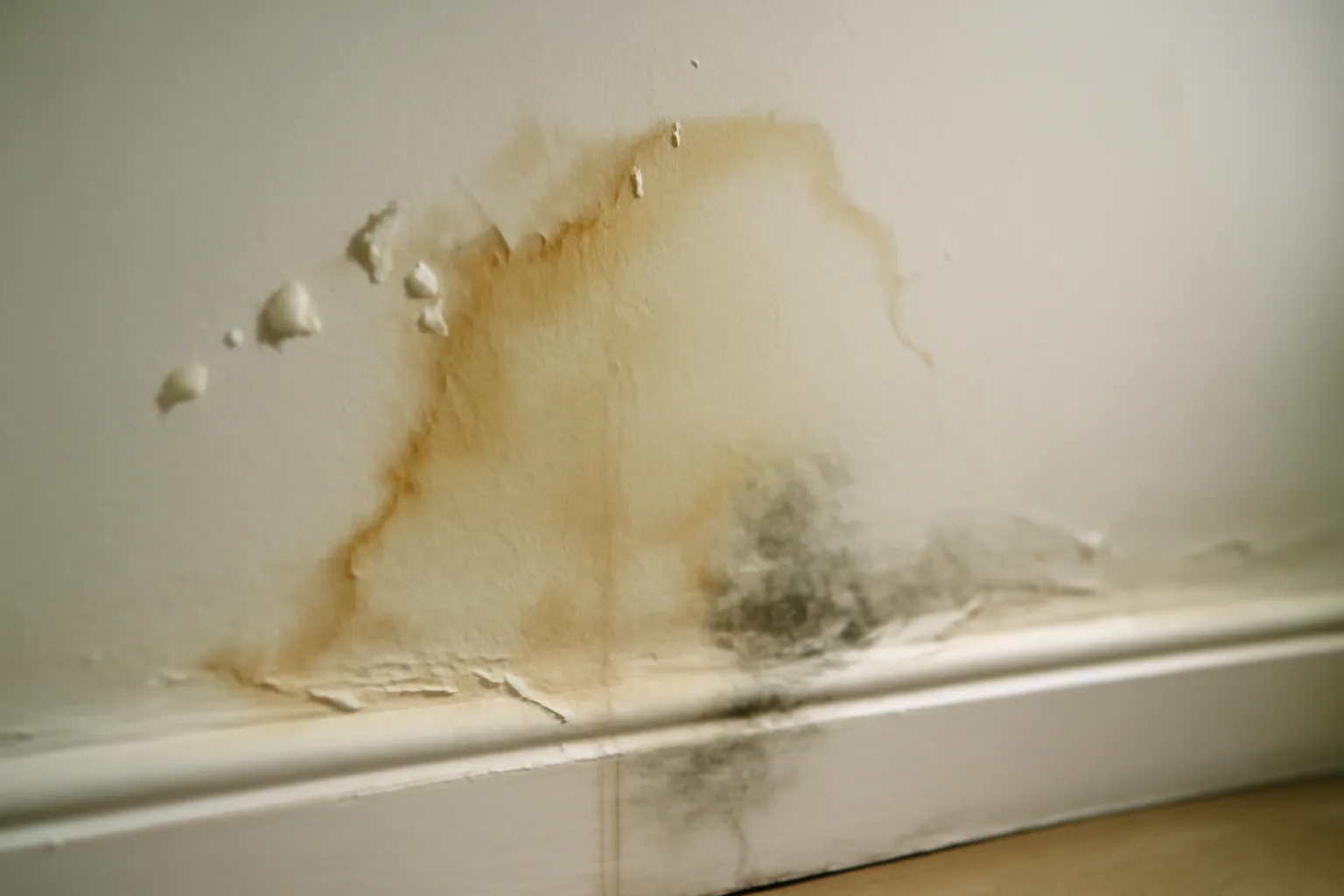
A leak behind a wall is one of the trickier plumbing problems to catch early. Because you cannot see the pipe, the damage quietly builds up — softening plasterboard, rotting timber, encouraging mould — before most people realise anything is wrong. Knowing what to look for can save you a significant repair bill and protect your home’s structure.
Why Hidden Leaks Are Particularly Risky
Pipes buried inside walls are usually supply pipes (carrying water under mains pressure) or central heating pipes. A slow drip from either can saturate insulation and timber for weeks before it becomes obvious. Left long enough, you may be looking at:
- Structural damage to joists and studwork
- Mould and damp that affects air quality
- Damaged electrics if water tracks down to a socket or consumer unit
- Ruined plaster, tiles, or decorating
Catching the problem early is almost always cheaper and less disruptive than dealing with it once the damage has spread.
The Most Common Warning Signs
1. Unexplained Damp Patches or Staining
A yellowish or brownish stain on a wall — especially one that grows over time — is often the first visible clue. The stain may appear on the wall itself or on the ceiling below if the pipe is on an upper floor. If the patch feels soft or spongy when you press it, water has already soaked into the plasterboard.
2. Peeling or Bubbling Paint and Wallpaper
Moisture trapped behind a painted surface forces the paint away from the wall. You may notice bubbling, flaking, or sections of wallpaper lifting at the seams. This can happen even before a visible damp patch appears.
3. A Musty or Mouldy Smell
A persistent musty smell in a room — particularly one that does not go away after ventilating — often points to hidden moisture. Black mould spots appearing near skirting boards or in corners can confirm that damp is present inside the wall cavity.
4. Warped or Buckled Wall Surfaces
Plasterboard swells when it absorbs water. If a section of wall looks uneven, bowed, or has developed a soft spot, that is a strong indicator of a leak behind it. Timber skirting boards that are warping or lifting away from the wall can point to the same problem.
5. Unexpectedly High Water Bills
If your water usage habits have not changed but your bill has gone up noticeably, you may have a supply pipe leaking somewhere in the system — including inside a wall. A simple check is to turn off all taps and appliances that use water, then watch your water meter for 30 minutes. If the dial or digital display moves, water is escaping somewhere.
6. Sound of Running Water
If you can hear a faint dripping, trickling, or rushing sound inside a wall when all taps and appliances are off, take it seriously. This is particularly common with pressurised supply pipes — the sound can travel some distance from the actual leak point.
7. Cold or Warm Spots on a Wall
A section of wall that feels noticeably cooler than the surrounding area may indicate cold water escaping from a supply pipe. Conversely, a warm patch could suggest a leaking central heating pipe. Run your hand slowly across the wall surface to feel for temperature differences.
What to Do If You Suspect a Leak
- Turn off your water at the stopcock if you believe a supply pipe is involved. Your stopcock is usually under the kitchen sink or where the supply enters the property. This limits further damage while you arrange help.
- Do not attempt to open the wall yourself unless you are confident there are no electrical cables in the vicinity. Pipes and cables often run together.
- Take photographs of any staining, damp patches, or damage. These will be useful for your plumber and for any insurance claim.
- Keep the area ventilated but avoid using electric heaters or fans directly against a damp wall until the source has been identified.
How a Plumber Locates the Leak
A qualified plumber will use a combination of pressure testing, thermal imaging, and moisture meters to pinpoint the leak without unnecessary damage to your walls. The aim is always to open as small an area as possible to make the repair. Once the pipe is fixed, the affected area can be dried out properly before replastering.
When to Call Immediately
Call straight away if:
- You can see water actively seeping through a wall or ceiling
- A damp patch is spreading rapidly
- There is any risk that water has reached your electrics
- You can hear running water but cannot locate the source
Hidden leaks rarely fix themselves and they do not improve with time. If any of the signs above sound familiar, it is worth getting a professional to take a look sooner rather than later. If you are in the TW postcode area and you need someone out today, call Emergency Plumbers TW on 07360 268948 — we are available 24 hours a day, seven days a week.