Maintenance
How to Prevent Burst Pipes While Your Home Is Empty
Practical steps to protect your plumbing when your home is vacant — drain-down, frost stats, heating timers and more.
Published 1 July 2026
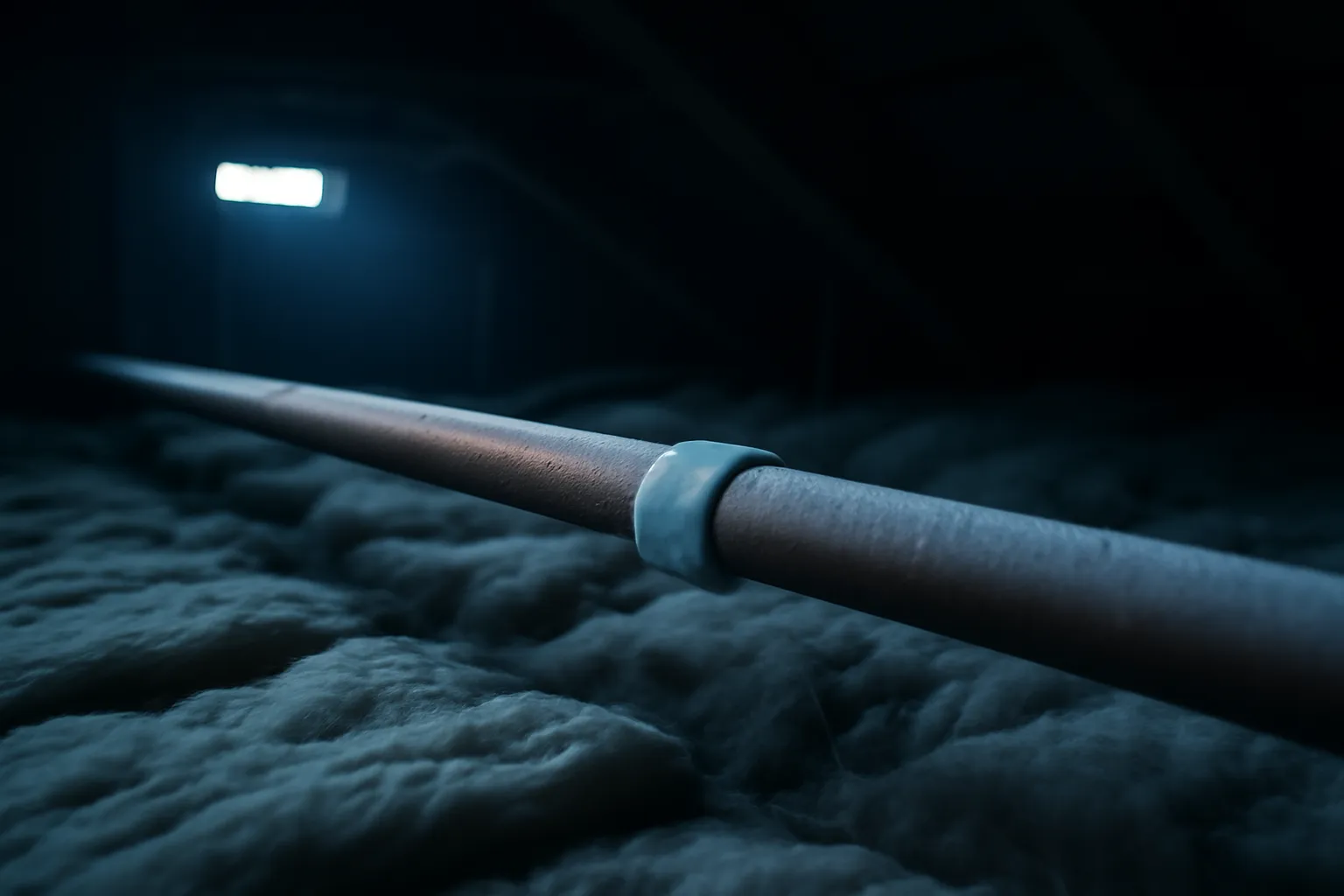
Leaving a home empty — whether you are heading on a long holiday, letting a second property stand between tenants, or managing a probate property — creates one of the most common conditions for a burst pipe: no one there to notice the warning signs until the damage is already done.
The good news is that most burst-pipe disasters in vacant homes are entirely preventable. Here is what to do before you lock the door.
Why Empty Homes Are at Greater Risk
When a property is occupied, small problems get caught early. A dripping tap, a radiator that feels cold, or a brief drop in water pressure are all things a resident notices and acts on. In a vacant home, a slow freeze or a failing stopcock can go undetected for days or weeks.
Water damage from a burst pipe in an empty property can be severe — ceilings collapse, floors warp, and mould sets in quickly. Many home insurers also require that certain precautions are taken for a vacant property to remain covered, so it is worth checking your policy wording before you leave.
Option 1: Drain Down the System
If the property will be empty for more than a few weeks — or if it is a second home that sits unused through winter — a full drain-down is the most reliable protection.
How to drain down:
- Turn off the water at the main stopcock (usually under the kitchen sink or where the supply enters the building).
- Open all the cold taps and leave them open to let air into the pipes.
- Flush every toilet until the cisterns are empty.
- If you have a hot water cylinder or header tank in the loft, drain those too — there are usually drain-off valves near the base of the cylinder and at the lowest point of the system.
- Consider asking a plumber to add a small amount of antifreeze to any traps (such as under sinks and in toilets) so U-bends do not crack.
A qualified plumber can carry out a full drain-down quickly and give you confidence it has been done correctly. This is particularly worth arranging for loft-level tanks, which are the most vulnerable to freezing.
Option 2: Keep the Heating On Low
If the property needs to remain habitable at short notice — a rental between lets, or a home you visit regularly — keeping a background level of heat is often more practical than draining down.
What to aim for:
- Set the thermostat to no lower than 12–13 °C. This is enough to prevent pipes from freezing even in a cold snap.
- Use a frost thermostat (sometimes called a frost stat), which only fires the boiler when the temperature drops to a set threshold, keeping running costs low.
- Make sure the heating covers the whole building — including hallways, loft hatches and any unheated utility rooms where pipes run.
A frost stat is a small, inexpensive device that a heating engineer can fit to your existing system. It is one of the most cost-effective precautions you can take for a regularly vacant property.
Option 3: Insulate Vulnerable Pipes
Even with the heating on, pipes in unheated spaces — loft voids, garages, external walls and under suspended floors — can still freeze if temperatures drop sharply.
- Fit pipe lagging (foam insulation sleeves) to any exposed pipework. It is available from any DIY merchant and straightforward to fit.
- Pay particular attention to pipes near the loft hatch, in the garage, and along external walls.
- Check that loft insulation is laid around pipes rather than on top of them — pipes above insulation lose the benefit of heat rising from the rooms below.
Practical Checks Before You Leave
Before locking up, run through this short list:
- Locate and test your main stopcock. If a pipe does burst, whoever responds first needs to be able to turn off the water immediately. Make sure it turns freely — stopcocks that have not been used in years can seize.
- Leave the stopcock location written down for a keyholder, neighbour or letting agent.
- Tell a trusted neighbour or keyholder that the property will be empty, and give them the number of a plumber they can call in an emergency.
- Check your home insurance policy for any vacancy conditions — some require you to inspect the property every 30 days or to notify the insurer if it will be empty beyond a certain period.
- Consider a water leak detector. Battery-powered sensors that alert you by phone when they detect moisture are inexpensive and can save thousands of pounds in damage.
If a Pipe Bursts Despite Your Precautions
Even with the best preparation, things can go wrong. If you return to find a burst pipe, or receive an alert from a neighbour or sensor:
- Turn off the water at the main stopcock immediately.
- Switch off the electricity at the consumer unit if water is near any electrics.
- Open cold taps to drain the system.
- Call a plumber straight away.
If you are in the TW postcode area and need urgent help, call Emergency Plumbers TW on 07360 268948. We are available 24 hours a day, seven days a week, and can reach most areas across Twickenham, Richmond, Teddington, Hounslow, Feltham, Staines and the surrounding area.
A little preparation before you leave is always far less stressful — and far less expensive — than dealing with the aftermath of a burst pipe in an empty home.