Maintenance
Cold Weather Plumbing Checklist for TW Homes
A practical winter plumbing checklist for homes in Twickenham, Richmond, Hounslow and the wider TW postcode area. Prevent frozen pipes and leaks.
Published 1 July 2026
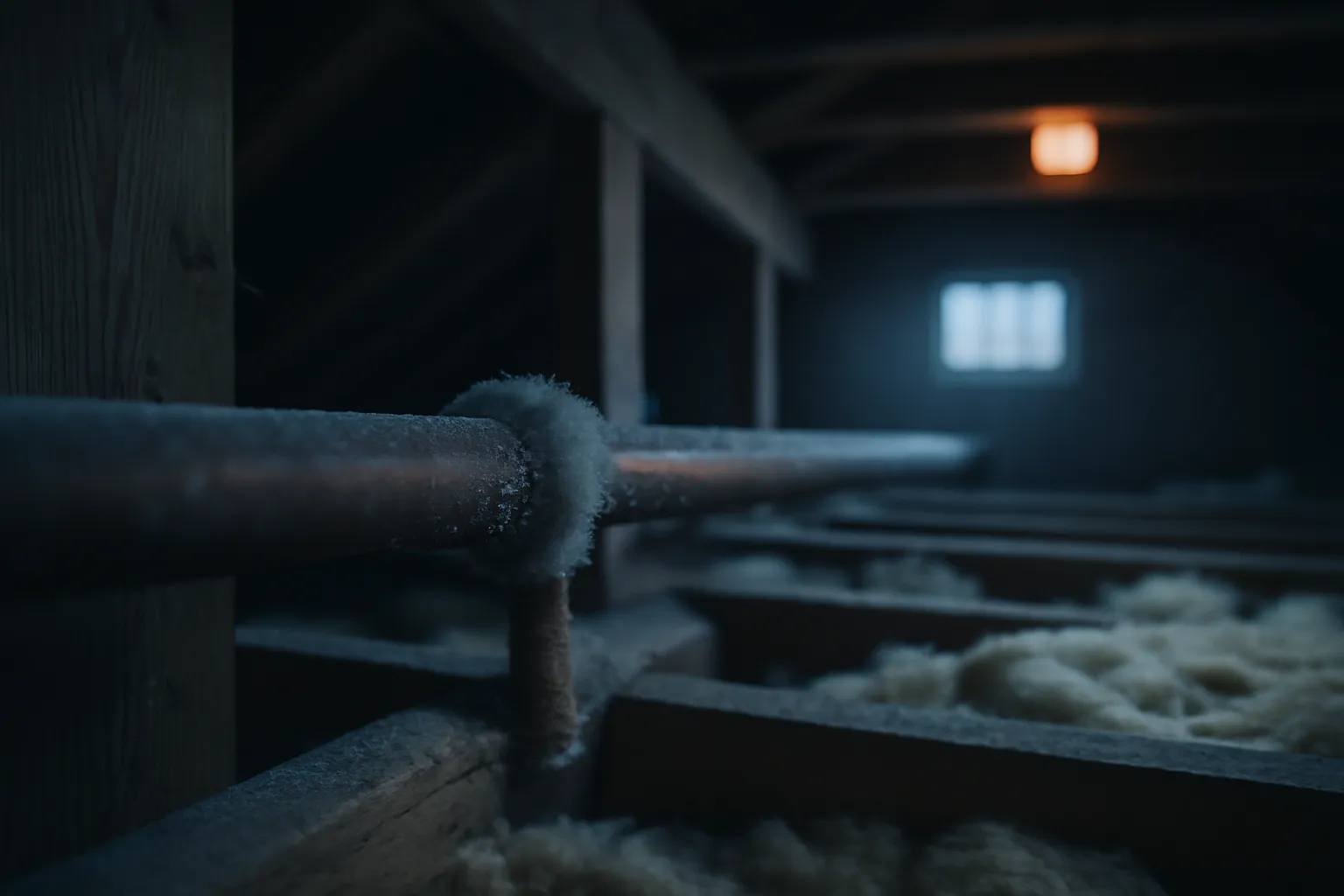
Winter in the TW postcode area rarely brings the extremes you find further north, but a sharp overnight frost in Twickenham or Feltham is more than enough to freeze an exposed pipe and cause a burst that ruins a ceiling, warps a floor or fills a kitchen with water. A bit of preparation in autumn — and again whenever a cold snap is forecast — goes a long way.
Work through the checklist below at your own pace. If you find a problem that needs a plumber, call us any time on 07360 268948.
Before the Cold Sets In
1. Know Where Your Stop Valve Is
Your internal stop valve (also called a stopcock) is usually under the kitchen sink or where the mains pipe enters the property. Turn it off and on now so you know it works. In a genuine emergency, finding it quickly can prevent thousands of pounds of water damage.
2. Lag Exposed Pipes
Any pipe that runs through an unheated space — a loft, garage, outhouse or external wall cavity — is a candidate for freezing. Foam lagging tubes are inexpensive and easy to fit. Pay particular attention to:
- Pipes in loft spaces (very common in older TW terraces and semis)
- Pipes running along external walls in garages or utility rooms
- Any outdoor tap supply pipe
3. Insulate Your Loft Cold-Water Tank
If your home has a cold-water storage tank in the loft, make sure it has a well-fitting lid and is insulated on the sides and top. Leave the floor beneath it uninsulated so rising warmth from the rooms below can help keep it above freezing.
4. Check Your Boiler and Heating Controls
A boiler that breaks down in freezing weather leaves your pipes unprotected as well as your family cold. Book a service before winter if it has not been done recently. Set your programmer so the heating comes on for short periods overnight during cold spells — even a low background temperature helps.
5. Test Your Condensate Pipe
Modern condensing boilers have a plastic condensate pipe that runs outside. This is one of the most commonly frozen pipes in TW homes each winter. Check that it is properly insulated and that the external section is as short as possible.
During a Cold Snap
Keep a Gentle Background Heat
If you are going away, do not turn the heating off completely. Set the thermostat to around 12–15 °C. This is the single most effective thing you can do to prevent a frozen pipe.
Open Cabinet Doors Under Sinks on External Walls
Pipes under kitchen and bathroom sinks on outside walls benefit from the warm air inside the room. Simply leaving the cabinet doors open on very cold nights can make a difference.
Check Outdoor Taps
Outdoor taps are extremely vulnerable. Fit an outdoor tap cover (available from any hardware shop) and, if possible, isolate the supply to the tap using its indoor isolating valve and leave the tap itself open so any residual water can expand without bursting the pipe.
Watch for Early Warning Signs
Act quickly if you notice:
- Reduced or no water flow from a tap
- Unusual sounds from pipes (banging or gurgling)
- Visible frost on an exposed pipe
- Damp patches appearing on ceilings or walls after a cold night
If You Suspect a Frozen Pipe
- Turn off the water at the stop valve immediately.
- Open the affected tap to relieve pressure as the pipe thaws.
- Apply gentle warmth — a warm (not boiling) hot-water bottle or a hairdryer on a low setting — working from the tap end back towards the frozen section.
- Never use a blowtorch or direct flame on a pipe.
- Once water flows again, check carefully for any signs of a split or leak before turning the stop valve back on.
If a Pipe Has Already Burst
Turn off the stop valve, turn off your electrics at the consumer unit if water is near any fittings, and call a plumber straight away. A burst pipe can discharge a significant volume of water very quickly.
A Note on TW Properties
Many homes across Richmond, Teddington, Isleworth and the older parts of Hounslow still have original lead or early copper pipework that is more susceptible to stress from freezing. If your property was built before the 1970s and you have not had the pipework checked recently, it is worth asking a plumber to cast an eye over it before winter arrives.
Taking an hour now to work through this checklist can save a very stressful and costly emergency later. If you do find yourself dealing with a burst pipe, a leak or a boiler failure in cold weather, we are available around the clock across the TW area. Call us on 07360 268948 and we will get someone to you as quickly as we can.