How-to
Home Insurance and Blocked Drains: What's Covered and How to Claim
Learn when home insurance covers drain damage, what evidence insurers ask for, and how to document a blocked or collapsed drain properly.
Published 16 July 2026
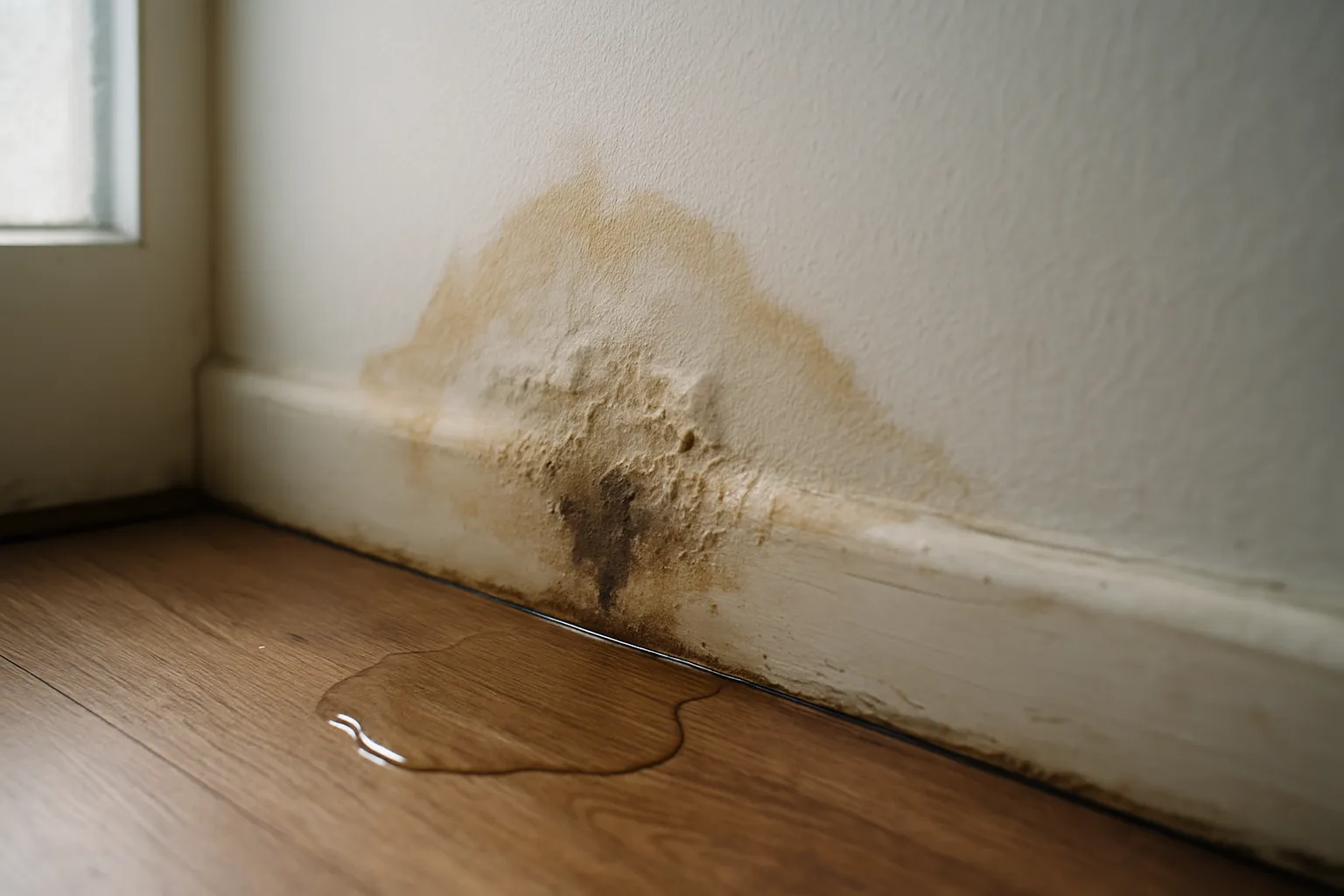
A blocked or damaged drain can cause real disruption — flooded floors, foul smells, and the nagging question of whether your home insurance will help with the cost. The honest answer is: it depends on the cause. Understanding the distinction before you call your insurer can save you time and prevent a claim being rejected.
The Key Distinction: Damage vs. Blockage
Most standard home insurance policies draw a firm line between drain damage and drain blockage.
When insurance typically does cover it
Insurers generally consider a claim when the drain has suffered physical damage that was sudden, accidental, or caused by an event outside your control. Common examples include:
- A collapsed or fractured drain caused by ground movement, subsidence, or tree root intrusion
- Accidental damage to pipework during building work or a sudden impact
- Storm or flood damage that has structurally affected underground drainage
- Drain failure that has caused water ingress into the property
If your policy includes buildings cover or an accidental damage extension, these scenarios are often where a valid claim begins.
When insurance almost never covers it
A straightforward blockage — caused by grease build-up, wet wipes, food waste, or general misuse — is typically treated as a maintenance issue, not an insurable event. Insurers expect homeowners to keep their drains in reasonable working order. Policies almost always exclude:
- Gradual blockages from everyday use
- Debris accumulation in gutters or gullies
- Blockages caused by items that should not have been flushed
If in doubt, read your policy’s exclusions section carefully before making a call to your insurer.
Shared and Public Drains
It is worth knowing who is responsible for the drain in question. In England, shared drains and sewers that serve more than one property are generally the responsibility of the local water company (Thames Water in the TW postcode area). If the blockage or collapse is in a shared sewer rather than your private drain, you may need to report it to them directly rather than to your own insurer.
Your private drain — the section running from your property to the boundary — remains your responsibility.
What Evidence Insurers Typically Ask For
If you believe you have a valid claim for drain damage, insurers usually expect clear evidence. Here is what loss adjusters commonly look for:
- Photographs of the affected area, taken as soon as possible
- A CCTV drain survey report identifying the cause and location of the damage
- Moisture readings if water has penetrated walls or floors
- A written account of when you first noticed the problem and what happened
- Invoices or quotes for the repair work
The more clearly the cause of damage is documented, the stronger your position when presenting evidence to your insurer.
How We Can Help With Documentation
Our role is straightforward: we stop the problem and repair the fault. When we attend a blocked or damaged drain in Staines or anywhere across the TW area, we can provide you with:
- A written report stating the cause of the blockage or damage
- Photographs taken during the job
- Moisture readings where relevant
- A clear scope of the work carried out
That written record belongs to you. You can use it however you need to — including presenting it to your insurer as part of your own claim. We do not contact insurers or loss adjusters on your behalf; the claim is yours to run, and our documentation simply gives you solid evidence to work with.
Practical Steps If You Suspect a Claim
- Stop any active leak or overflow first — call us if you need immediate help on 07360 268948
- Photograph everything before any work begins, if it is safe to do so
- Check your policy for buildings cover, accidental damage, and drain-specific exclusions
- Request a written report from your plumber or drainage engineer
- Contact your insurer to notify them and ask about their claims process — most have a time limit for notification
- Keep all receipts and correspondence in one place
A Note on Responsibility
If a neighbour’s tree roots have caused your drain to collapse, or a contractor has damaged pipework, liability may rest with a third party rather than your own insurer. In those cases, the written evidence of cause becomes even more important.
Not Sure Whether Your Drain Is Blocked or Damaged?
Sometimes what looks like a simple blockage is actually a sign of a more serious structural problem. If your drains are slow, smelling, or backing up repeatedly, it is worth having a proper inspection rather than assuming it is a routine blockage.
If you are dealing with an urgent drainage problem in Staines, Richmond, Twickenham, or anywhere in the TW postcode area, call us any time on 07360 268948. We are available 24 hours a day, seven days a week. We will sort the problem, give you a clear written record, and leave you in the best position to deal with whatever comes next.
Insurers usually want camera footage before they accept a drain claim. Our sister drainage firm Drainiacs provide the CCTV drain survey and the written report that goes with it.