How-to
How to Read Your Water Meter (and Spot Problems Early)
Learn how to read your water meter dial or digital display, and use regular readings to catch hidden leaks before they cause serious damage.
Published 1 July 2026
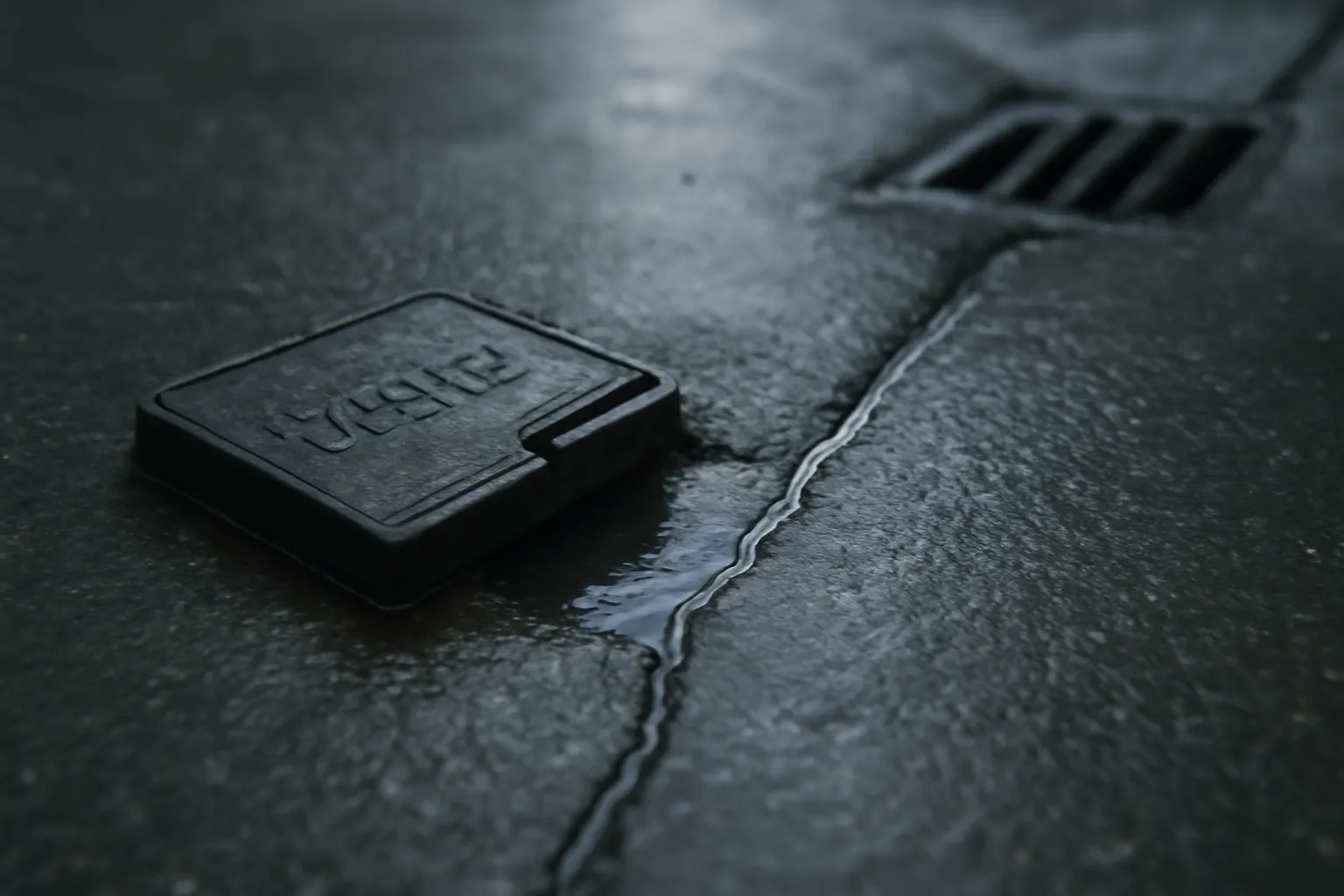
Your water meter is one of the most useful tools in your home — and most people never look at it. Checking it takes less than two minutes, costs nothing, and can alert you to a hidden leak long before it soaks through a ceiling or drives up your bill. Here is everything you need to know.
Where Is Your Water Meter?
Most meters in the TW postcode area are located in one of these places:
- Outside, in a small plastic box set into the pavement or driveway near your boundary — look for a small rectangular cover marked “Water”
- Inside, under the kitchen sink or in a utility cupboard
- In a shared meter room in flats and apartment blocks
Lift the cover carefully. There may be a small amount of water pooled inside — that is normal. If there is a significant amount of standing water, or the cover is cracked and soil has entered, let your water supplier know.
Types of Water Meter
Digital (LCD) Meters
These display a row of digits — usually black numbers on a white background, sometimes with red digits at the end. The black digits show cubic metres (m³) used; the red digits show litres (fractions of a cubic metre). Read the black digits from left to right, ignoring any leading zeros.
Dial Meters
Older meters use a series of small clock-like dials. Each dial rotates in the opposite direction to the one next to it, which catches people out. Read each dial in sequence, noting the lower number when the pointer sits between two digits. Some dials also have a small red “leak indicator” triangle or star that spins continuously when water is moving through the meter.
Smart Meters
Some properties in the area now have smart meters that transmit readings automatically. You can still view the display on the meter itself in the same way as a digital meter, or log in to your water supplier’s online account to see hourly usage data — which is particularly useful for spotting overnight consumption.
How to Take a Reading
- Note down the current reading (black digits only for digital meters; all dials for dial meters).
- Wait one hour during which no water is used in the property — no flushing, no taps, no appliances.
- Check the reading again.
If the number has changed, water has moved through the meter while everything was off. That is the first sign of a leak.
Using Your Meter to Detect Leaks
The Overnight Test
Take a reading last thing at night, then again first thing in the morning before anyone uses any water. Even a small increase — say 10–20 litres — suggests a leak somewhere on your supply pipe or within the property. A toilet with a faulty flapper valve is a common culprit and can waste hundreds of litres a day silently.
The Leak Indicator Dial
If your meter has a small triangular or star-shaped indicator, watch it for 30 seconds while all water use is stopped. If it moves at all, water is flowing. Even very slow movement adds up to thousands of litres wasted each month.
Comparing Bills
Thames Water bills in this area are based on either meter readings or a rateable value charge. If you are on a meter, compare consecutive bills. A sudden spike with no obvious explanation — no guests, no garden watering — is worth investigating.
Common Causes of Hidden Leaks
- Leaking toilet cisterns — a worn flapper or fill valve can allow a constant trickle into the bowl
- Supply pipe leaks — the pipe running from the boundary stop tap to your home can crack due to ground movement or frost damage
- Dripping taps — easy to overlook, but a drip every second wastes around 5,000 litres a year
- Faulty appliances — dishwashers and washing machines with deteriorating hose connections can leak slowly behind units
When to Call a Plumber
If your meter test confirms water is moving when it should not be, do not wait. Hidden leaks can:
- Cause structural damage to floors, walls, and foundations
- Encourage damp and mould growth
- Result in significantly higher water bills
- Escalate into a burst pipe, especially in cold weather
A qualified plumber can carry out a proper leak detection check, trace the source without unnecessary damage, and repair it correctly.
Need Help Right Now?
If you have found evidence of a leak — or your meter is spinning and you cannot find the source — call Emergency Plumbers TW any time of day or night on 07360 268948. We cover Twickenham, Teddington, Richmond, Isleworth, Hounslow, Feltham, Staines, and the surrounding TW postcode area, and we are available 24 hours a day, seven days a week.
Catching a leak early is always better than dealing with the aftermath. A two-minute meter check today could save you a great deal of trouble tomorrow.