How-to
How to Unblock a Drain Without Damaging Your Pipes
Safe, practical methods for unblocking a drain at home, what products to avoid, and when to call an emergency plumber in the TW area.
Published 27 June 2026
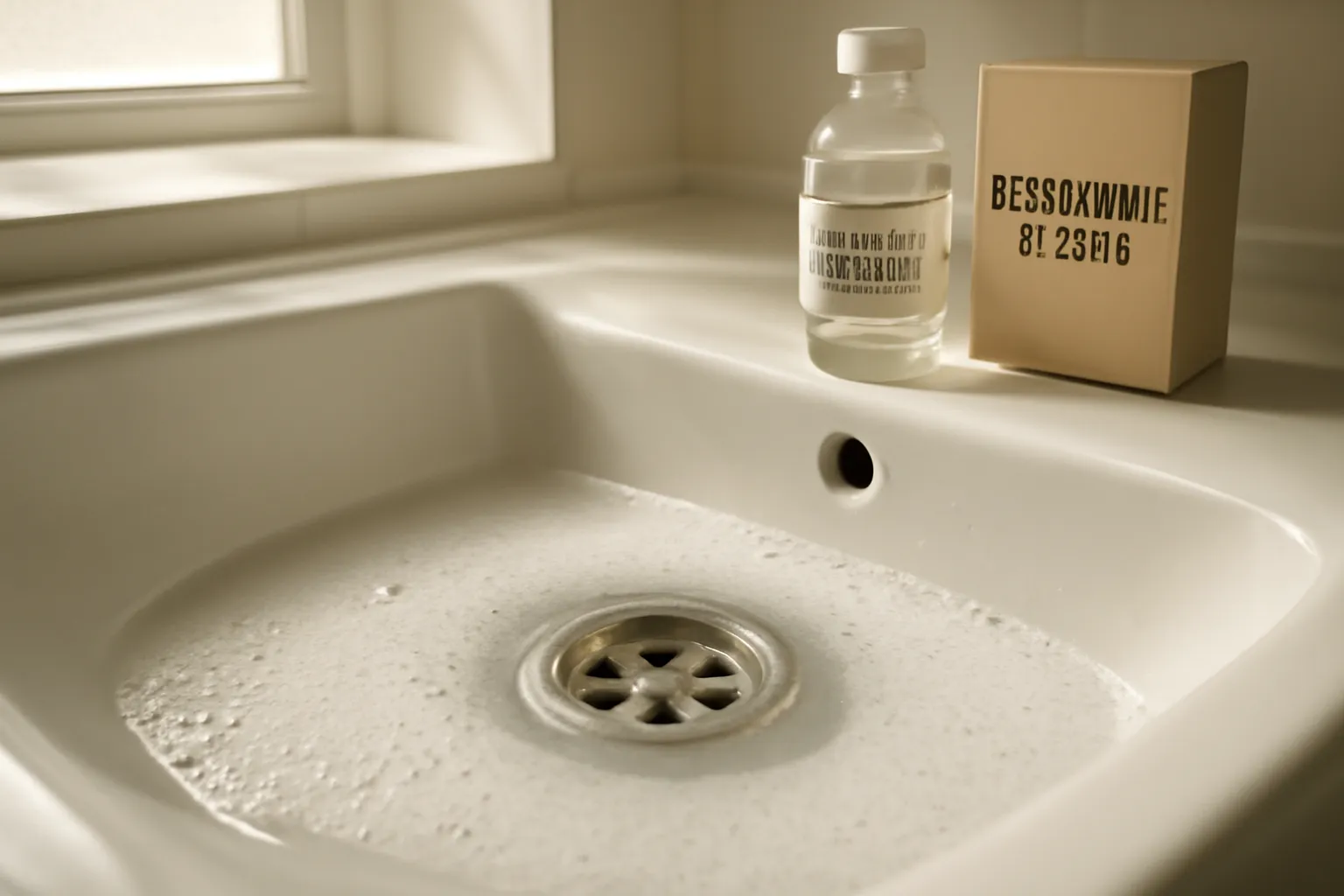
A blocked drain has a way of making itself known at the worst possible moment — standing water in the shower, a sink that refuses to empty, or a smell rising from the kitchen plughole. The good news is that many blockages can be cleared at home with a bit of patience and the right approach. The bad news is that the wrong approach can crack older pipes, push the blockage deeper, or make a plumber’s job considerably harder.
Here is how to do it safely.
Start by Identifying Where the Blockage Is
Before reaching for anything, work out where the problem sits.
- Single fixture blocked (one sink, one shower): the blockage is almost certainly in the trap or the short branch pipe immediately behind it.
- Multiple fixtures slow or blocked: the blockage is further down, likely in a shared soil stack or underground drain.
- All drains backing up or gurgling together: this points to the main drain or sewer and is a job for a professional.
Knowing this stops you wasting time treating the wrong section of pipe.
Method 1: Boiling Water (Kitchen Sink Only)
For kitchen sinks, a kettle of near-boiling water poured slowly in three stages can dissolve grease and soap residue that has built up over time. Pour, wait thirty seconds, repeat.
Important: Do not use boiling water on older lead or plastic push-fit pipes, or on toilets. Sudden heat can soften or crack them.
Method 2: The Plunger
A plunger is the most effective first tool for sinks, baths, and showers. Use a cup plunger (the flat-bottomed type) for sinks and baths, and a flange plunger for toilets.
- Block the overflow hole with a damp cloth — this maintains pressure.
- Place the plunger firmly over the plughole so it forms a seal.
- Push down and pull up sharply, keeping the seal intact. Repeat ten to fifteen times.
- Run hot water to check whether the drain clears.
It takes more effort than it looks. Give it a proper go before moving on.
Method 3: Bicarbonate of Soda and White Vinegar
This is a gentler alternative to chemical cleaners and is safe for most pipe types.
- Pour half a cup of bicarbonate of soda directly into the drain.
- Follow immediately with half a cup of white vinegar.
- Cover the plughole to direct the fizzing action downward.
- Leave for twenty to thirty minutes.
- Flush through with hot (not boiling) water.
This works well on organic matter — hair, soap scum, food residue — but will not shift a solid or compacted blockage.
Method 4: A Drain Snake or Plumber’s Auger
For blockages that resist the plunger, a hand-operated drain snake (also called a drain rod for outdoor drains) can reach further into the pipe and physically break up or retrieve the obstruction.
Feed it in slowly and turn it clockwise. When you feel resistance, work gently rather than forcing it. Pulling back is often more effective than pushing harder.
Available inexpensively from most DIY shops and worth having in the house.
What to Avoid
Chemical Drain Cleaners
Products containing caustic soda or sulphuric acid are widely sold but come with real risks:
- They can corrode older metal pipes and soften PVC joints over time.
- They generate heat, which can crack ceramic or plastic traps.
- If the drain is fully blocked, the chemical sits in the pipe and makes it dangerous for anyone who then has to work on it — including you.
- They are harmful to the environment once they reach the sewer system.
Use them as a last resort only, follow the instructions precisely, and never mix them with any other product.
High-Pressure Water Jets (DIY Versions)
Consumer-grade pressure attachments for garden hoses can force water back towards you or dislodge pipe joints if used incorrectly. Professional jetting equipment is calibrated for drain work, at a pressure that strips grease and scale off the pipe wall without damaging the pipe. Leave this method to the professionals: our sister firm covers high-pressure drain jetting across the TW area.
Poking with Sharp or Rigid Objects
Screwdrivers, coat hangers, and similar improvised tools can scratch the inside of pipes, creating rough edges where debris catches more easily in future. They can also puncture older pipework.
When to Call a Plumber
Some situations are beyond DIY methods, and pushing on risks making things worse:
- The blockage has not shifted after a genuine attempt with plunger and snake.
- Water is backing up through multiple fixtures or the toilet.
- There is an unpleasant smell from drains throughout the property.
- You can see or suspect the blockage is in the underground drain or inspection chamber.
- Water is leaking from pipework underneath a sink or behind a wall.
- You live in an older property with clay or lead pipes that need careful handling.
A blocked drain is rarely a crisis if you catch it early and deal with it calmly. Work through the methods above in order, avoid harsh chemicals, and do not force anything that is not moving.
If the blockage is stubborn, widespread, or you are simply not sure what you are dealing with, we are here around the clock across the TW postcode area. Call us on 07700 137648 — we will get to you quickly and sort it properly.