Emergencies
Burst Pipe Flooding the House — What to Do in the First 10 Minutes
Active flooding from a burst pipe? Follow this minute-by-minute guide to stay safe, limit damage, and get emergency help fast.
Published 5 July 2026
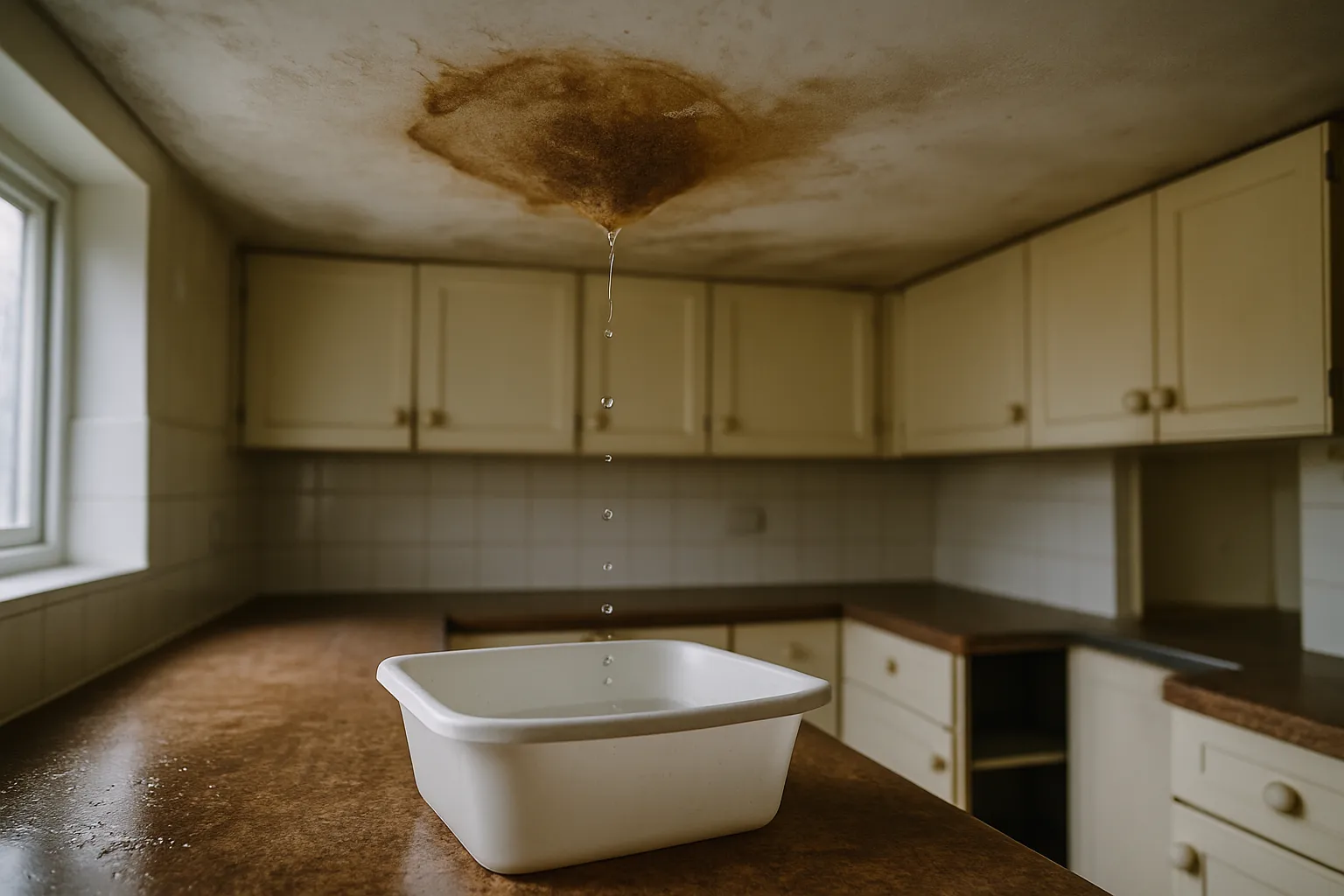
A burst pipe can release hundreds of litres of water in minutes. The decisions you make in the first ten minutes determine how much damage your home sustains — and whether everyone stays safe. Work through these steps in order, and do not skip the safety checks to get to the practical ones.
Minutes 0–2: Safety Before Everything Else
Is the water near electrics?
Before you touch anything, look up and around. Water and electricity together can kill.
- If water is pooling near sockets, appliances, or consumer units (fuse boards), do not enter the room.
- Go to your consumer unit and switch off the electricity at the main switch. If the consumer unit itself is wet or in the flooded area, do not touch it — call 999 and your energy supplier.
- Once power is isolated and you are confident the area is safe, you can move on.
Is there a smell of gas?
If you can smell gas anywhere in the property, leave immediately, do not operate any switches, and call the National Gas Emergency Service on 0800 111 999 from outside.
Minutes 2–5: Stop the Water at the Source
Turn off your main stopcock
This is the single most important action you can take. Turning off the stopcock cuts the water supply to the whole house and will slow or stop the flow from most burst pipes.
Where to find it:
- Under the kitchen sink (most common)
- In the airing cupboard
- Under the stairs
- In a utility room or garage
- In an external meter box on the front wall
Turn it clockwise until it stops. Older stopcocks can seize — use a cloth for grip, or a pair of pliers if needed. If you cannot shift it, move to the next step.
Cannot find or turn the stopcock?
- Open all your cold taps to drain the system pressure as quickly as possible.
- If your property has a water meter stopcock on the pavement or boundary, some can be turned with a flat-bladed screwdriver — check with your water company if you are unsure.
Minutes 5–7: Contain the Spread
Once the water supply is off, focus on limiting how far the water travels.
- Place towels, rolled-up rugs, or draught excluders at doorways to stop water moving between rooms.
- Use buckets, washing-up bowls, or any container to catch drips from ceilings.
- If a ceiling is visibly bulging and waterlogged, it may collapse. Use a screwdriver or similar to carefully puncture the lowest point so the water drains in a controlled stream into buckets, rather than bringing the whole ceiling down at once.
- Move valuables, documents, and electronics to higher ground or out of the affected rooms.
Minutes 7–9: Document Everything for Your Insurer
Do this now, while the damage is fresh and visible.
- Take photos and short video clips of all affected areas — walls, floors, ceilings, damaged belongings.
- Note the time the flooding started and what you have done so far.
- Do not throw anything away yet, even if it looks ruined. Your insurer will want to assess it.
- Locate your home insurance documents or app — you will need to call them soon.
Minute 10: Call an Emergency Plumber
With the water off and the area made as safe as possible, you need a qualified plumber to locate the burst, assess the pipework, and carry out a proper repair. A temporary fix — even a good one — is not a substitute for professional work.
Emergency Plumbers TW are available 24 hours a day, 7 days a week across the TW postcode area, including Twickenham, Richmond, Teddington, Hounslow, Isleworth, Feltham, and Staines.
Call us now: 07360 268948
After the Plumber Has Been — What Comes Next
- Keep your water off until the repair is confirmed complete and tested.
- Run taps slowly to check pressure and look for further leaks before turning the supply fully back on.
- Contact your home insurer to log the claim — most policies cover trace and access (finding the pipe) as well as damage to the building’s fabric.
- Begin drying out as soon as possible. Open windows, use fans, and consider hiring a dehumidifier. Damp left untreated leads to mould within 24–48 hours.
A Reassuring Word
A burst pipe is alarming, but if you have followed the steps above you have already done the most important things: kept people safe, stopped the water, and limited the spread. The repair itself is straightforward for an experienced plumber.
If the flooding is still active, you cannot locate the stopcock, or you have any doubt about electrical or gas safety, call 07360 268948 right now. We answer 24/7 and your details go straight to a local plumber.